March 9, 2026
Understanding water damage is crucial for preventing costly repairs and maintaining property integrity. Unfortunately, many misconceptions abound, leading to inadequate responses to water issues. Homeowners and property managers often underestimate the severity of water incidents, leading to significant structural issues over time. Let's demystify a few common myths and provide a clearer understanding for those who need water damage services.
Misconception 1: Water Damage Is Always Visible
Hidden Water Leaks
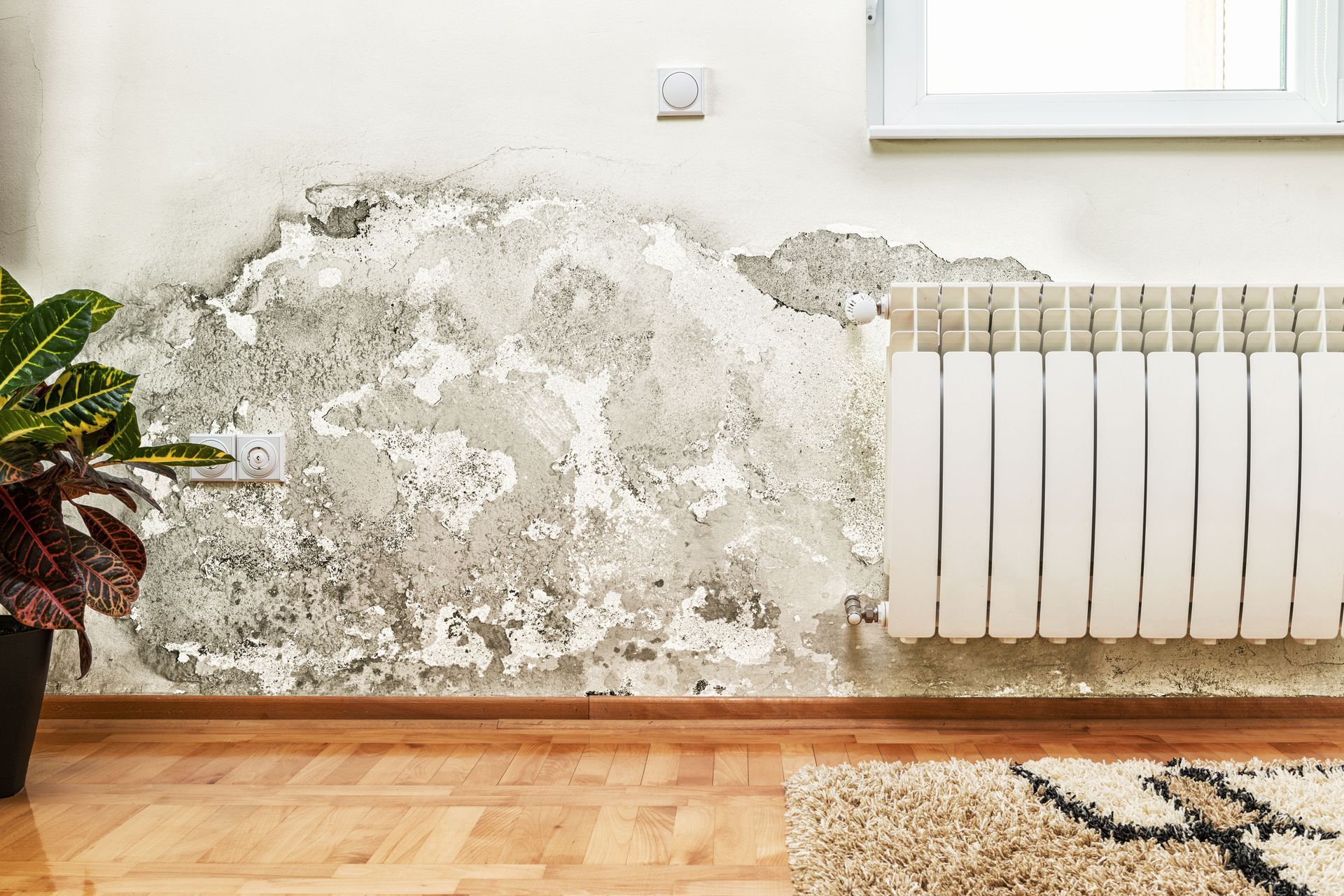
One pervasive misconception about water damage is the belief that all damage is immediately visible. Hidden water leaks, for instance, can silently wreak havoc on a property's structural integrity without any obvious signs. Plumbing leaks behind walls or under flooring are common culprits, leaking slowly but consistently. These hidden problems can go unnoticed for long periods, leading to severe and costly damage. Untended, these issues may develop into mold infestations and structural compromises.
Signs of Hidden Damage
Though not immediately noticeable, there are subtle indicators of hidden water damage. Discoloration or warping of walls and floors can signal hidden leakages, as can peeling paint or unusual musty odors. Unexplained increases in water bills may also suggest a concealed leak. Identifying these signs early is crucial in avoiding extensive repairs and maintaining home safety. Awareness of these indicators empowers homeowners to take proactive measures with the help of water damage services.
Technology for Detecting Moisture
Advancements in technology have improved the detection of hidden water damage significantly. Moisture meters and infrared cameras allow for non-invasive inspections and rapid identification of potential problem areas. These tools can detect hidden moisture within walls, under floors, and in crawl spaces. Utilizing such technology helps prevent unseen damage from progressing unchecked. Regular professional inspections from local water damage services, aided by these technologies, can save homeowners from severe water damage consequences.
Misconception 2: DIY Solutions Are Sufficient for Water Damage
Limitations of DIY Techniques
Many homeowners believe that DIY methods can adequately address water damage issues. While some surface issues might appear manageable, DIY solutions often fall short in addressing underlying problems. Homeowners typically lack the expertise to identify all damage and its complexities. Incomplete repairs can lead to unresolved issues that worsen over time. Trusting solely in DIY methods may, therefore, inadvertently escalate the problem.
Importance of Professional Expertise
Engaging water damage services provides access to specialized expertise and tools that go beyond basic DIY capabilities. Professionals can conduct a thorough assessment of all affected areas, ensuring that hidden damage and future risks are fully addressed. They can also offer tailored solutions to particular problems, ensuring a comprehensive, lasting fix. According to Ruby Home, an online real estate resource, 14,000 people experience water damage each day, emphasizing the need for professional involvement. Trust in professional water damage services provides peace of mind and better outcomes.
Risks of Inadequate Repair
Failure to address water damage thoroughly can result in dire consequences. Inadequate repairs can exacerbate structural deterioration and even lead to health hazards, such as mold growth. In addition to direct damage, untreated water issues can reduce property value. Ensuring proper repair through professional assistance reduces these risks significantly. The long-term implications of water damage necessitate comprehensive treatment beyond the scope of most DIY approaches.
Misconception 3: Only Extensive Flooding Causes Significant Damage
Slow Leaks and Their Impact
Contrary to popular belief, not only massive flooding causes substantial water damage; slow, continuous leaks can be just as destructive. Leaks from plumbing fixtures or roof seepage, although minor, can lead to severe long-term damage. Over time, these can undermine the building's structure and lead to significant repair costs. Slow leaks often trigger problems like unnoticed mold growth and wood rot. Exemplifying a silent but severe impact, these incidents emphasize the need for vigilance and regular maintenance checks.
Effects of High Humidity
Aside from leaks, high humidity levels within a property can result in moisture accumulation, causing damage over time. Excess humidity is conducive to mold growth, even without the presence of standing water. It promotes wood warping, paint peeling, and structural weakening. Regular use of dehumidifiers helps control indoor atmospheric conditions, reducing these risks. Understanding the subtlety of humidity-induced damage is crucial for effective water damage management.
Misconception 4: Water Damage Is Covered by All Insurance Policies
Understanding Insurance Limitations
A critical misconception is the assumption that all forms of water damage are covered by standard insurance policies. Many people are surprised to learn that insurers often distinguish between types of water damage, with some not being covered. Typically, gradual water damage, such as mold or chronic leaks, is not covered. Sudden events, like burst pipes, generally fall under coverage, but it varies with each policy. Understanding these distinctions is vital before damage occurs.
Differentiating Between Types of Coverage
Insurance policies can be broadly categorized into different types based on the nature of water damage. For instance, flood insurance is typically separate from homeowner's insurance, necessitating additional coverage. Plumbing failures and accidental overflow might be covered, but require verification against policy terms. It is crucial for homeowners to comprehend their coverage scope fully. Often, specific endorsements might be necessary to ensure adequate protection against prevalent risks.
Common Exclusions in Water Damage Policies
Water damage policies often contain exclusions that homeowners must be aware of. Regular wear and tear, neglect, and mold are common exclusions under standard policies. Similarly, damages from flooding typically require separate policies not integrated into standard homeowner insurance. Recognizing these exclusions promotes better-preparedness and encourages purchasing necessary additional coverage. A proper understanding can avoid disappointment and financial strain during claims.
Misconception 5: Speedy Water Extraction Solves All Problems
Importance of Thorough Drying Processes
While speed in water extraction is vital, it's insufficient without thorough drying processes. Quick extraction removes visible water, but deep-seated moisture can persist unnoticed. Consequently, incomplete drying can lead to mold growth and structural weaknesses. Employing powerful fans and dehumidifiers helps ensure comprehensive moisture removal. Thorough drying processes are necessary to guard against secondary damage that incomplete initial treatments might cause.
Secondary Damages from Improper Drying
Improper drying can result in secondary damage that might go unnoticed in initial checks. Moisture not completely removed can lead to swelling, warping, and breakdown of building materials like drywall or hardwood. These conditions subsequently create ideal environments for mold and mildew growth. Complete, professional dehumidification practices circumvent these issues by ensuring no residual moisture remains post-extraction. Proactive monitoring after water incidents further aids in preventing such secondary effects.
Role of Dehumidification
Dehumidification is a critical step in comprehensive water damage restoration. It complements water extraction by removing humidity from the air and porous materials. High-capacity dehumidifiers draw out moisture that remains in walls, ceilings, and furnishings, preventing potential mold proliferation. Proper dehumidification safeguards indoor air quality and fortifies structural integrity. Recognizing this essential step reinforces the importance of complete and thorough water damage management practices.
Misconception 6: Water Damage Is a Simple, Quick Fix
Complexities Involved in Damage Assessment
Contrary to the common belief that water damage is a quick fix, thorough assessments reveal its complexities. Comprehensive evaluations must consider all potential structural and health consequences. Inviting experts for detailed inspections ensures all damages are identified and appropriately addressed. Factors like moisture absorption rates and material degradation need professional analysis for accurate restoration strategies. Simplistic views overlook the intricacy needed in damage assessment and restoration plans.
Long-term Effects of Water Damage
Long-term effects of inadequately addressed water damage can be devastating. Besides physical degradation, persistent moisture opens avenues for health issues like respiratory problems due to mold spores. Structural integrity is slowly compromised, affecting property value and safety. Chloride and minerals carried in water can also lead to material erosion, amplifying damage scope. Considering these prolonged impacts underscores the necessary diligence in water damage restoration.
Clarifying these misconceptions is essential for effective management and prevention of water damage. Homeowners, further informed, are better prepared to make decisions with the help of water damage services at Captain Steamer & Captain's Complete Resoration. Reach out to us today to get started with a free in-home quote!